Supply chains are fundamental to the global economy. But for the U.S. Federal Government, supply chains are mission critical to national security.
The COVID-19 pandemic shocked global supply chains and exposed security vulnerabilities. Without a doubt, as digitalization pervades and global threats evolve, unexpected disruptions will continue to occur. While increasing the visibility, agility, and integrity of U.S. supply chains has been a federal focus in recent years, creating more trustworthy supply chains is now a top priority.
At Siemens Government Technologies (SGT), we are partnering with federal agencies to build better, more resilient and secure supply chains for the future. As the wholly-owned, cleared U.S. subsidiary of technology powerhouse Siemens, SGT connects federal agencies to the comprehensive end-to-end portfolio of solutions from Siemens, one of the most technologically advanced and proficient engineering, industrial and software leaders in the world. Our Trusted Traceability initiative—a combination of blockchain technology, MindSphere and other data generation and reduction platform, and the Internet of Things (IoT) solutions are future-proofing national and international supply chains, to help our nation keep its citizens safe and economy thriving.
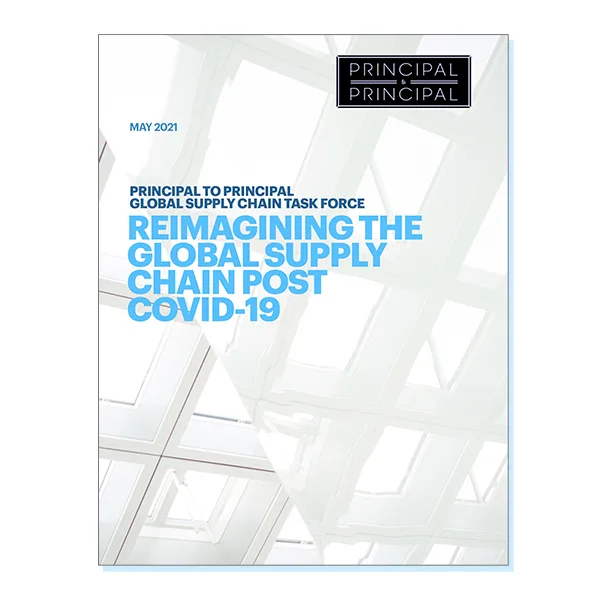
The COVID-19 pandemic has revealed how critical manufacturing and its supporting supply chains are not only core to our national response, but also our national and economic security. In a new joint Task Force, industry experts analyzed our nation’s supply chains across multiple sectors, highlighting critical vulnerabilities in terms of preparedness and proposing recommendations and strategies for increasing visibility, trustworthiness, and resiliency.
Download a free copy of the 2021 Principal to Principal Global Supply Chain Task Force report, “Reimagining the Global Supply Chain Post COVID-19”.
Download ReportMicroelectronics support nearly all Department of Defense (DoD) activities. From global positioning systems, radar, command and control, and communications, microelectronics are core components of DoD assets. Ensuring trustworthy (or assured) access to state-of-the-art microelectronics for these systems, however, is challenging. The changing global semiconductor industry and the sophistication of U.S. adversaries, who might target military electronic components, highlight the need for an updated microelectronics security framework. Learn how leveraging blockchain technology can help mitigate risk in the microelectronics supply chains for the DoD and provide trusted traceability in purchasing and manufacturing strategies.
Learn More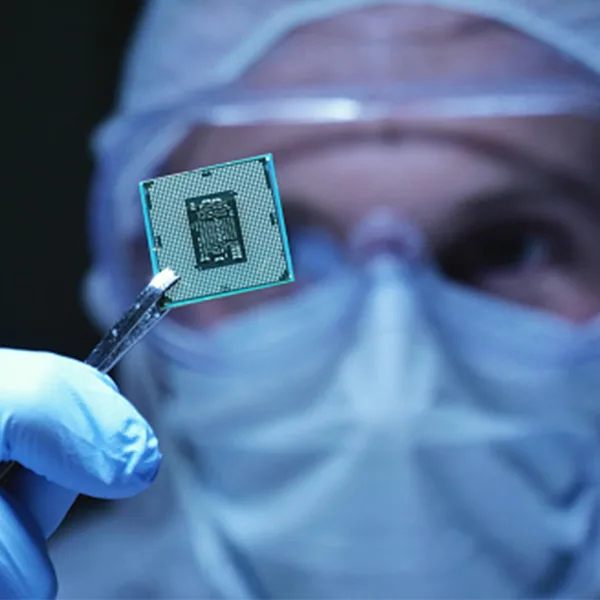
Siemens recognizes the value of blockchain technology throughout the U.S. Federal Government. From procurement and supply chain management to energy security and smart infrastructure, blockchain technology can enhance government systems across various platforms and agencies. In response, Siemens has launched a Trusted Traceability initiative that involves three different components.

Distributed ledger technology, blockchain records transactions chronologically, permanently, and unalterably to provide secure data storage and synchronization across organizations.
Learn More
A scalable tool to manage the blockchain, add data to it, and retrieve data from it, Siemens MindSphere is the leading industrial IoT as a service solution for federal agencies.
The network of physical devices embedded with sensors, software and other technologies, the industrial Internet of Things (IoT) collects and exchanges data.
Blockchain technology has far-reaching applications across many sectors of the U.S. Federal Government. Siemens cloud-based, IoT operating systems and blockchain-powered solutions can be applied in a range of applications, effectively digitizing defense agency operations to improve traceability and trustworthiness, streamline and secure supply chains, reduce costs, and maintain mission readiness.

One of the most promising use cases for blockchain technology is in improving inadequacies in the supply chain. Blockchain can help ensure secure, timely procurement of products and components, increase trust in supplier and vendor relations, accelerate data sharing for real-time analytics, and offer granular inventory insights and auditability through a hierarchical supply chain.

Blockchain can revolutionize how federal agencies design, engineer, and manufacture equipment, vehicles, and systems. Blockchain records and stores provenance data and provides immutable documentation of quality checks and production processes to unlock the full potential of advanced technologies, such as augmented reality, digital twin, and 3D printing.
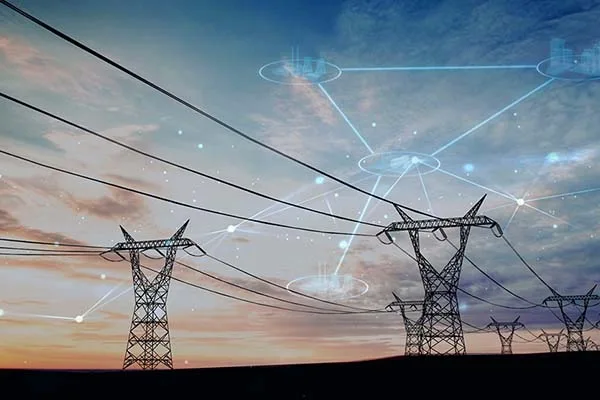
Blockchain technology provides several benefits to the energy sector. As grid systems become increasingly digital, distributed, and decentralized, blockchain is an immutable ledger that provides secure and real-time updates of energy usage data. By recording, storing, and tracking energy data, blockchain can help improve efficiency, costs, and security.

Blockchain can aid in the development of smart military installations and government infrastructure by acting as a single source of truth for network transactions. For example, for a smart military base, blockchain can be used to permanently record who enters and exits, what digital systems are operating, and outputs of critical assets, such as microgrids.
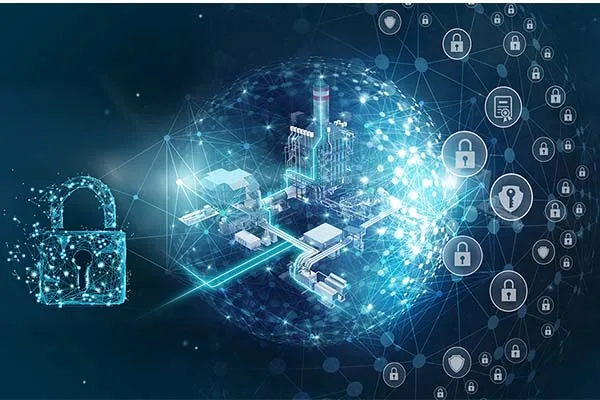
Next generation technologies, such as artificial intelligence, smart drones, additive manufacturing and digital twins make the U.S. Federal Government more dependent on digital technology. Blockchain is an incorruptible, decentralized, digital ledger of transactions that stand as one of the most robust defenders against cyberattacks.
Blockchain technology can simplify the management of trusted information, making it easier for government agencies to access and use critical data while maintaining the security of this information. Blockchain can help federal agencies digitize existing records and manage them within a secure infrastructure, allowing agencies to make some of these records “smart.”