
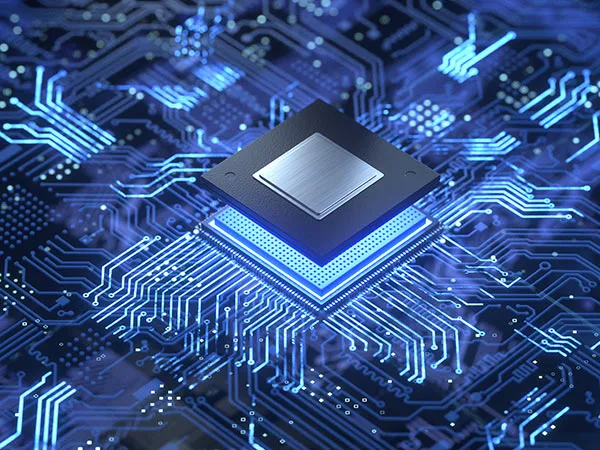
When it comes to semiconductors, the building blocks of digital products, U.S. defense and intelligence agencies are still grappling with how to ensure those parts are not just available when needed — but also secure.
No modern army can last a minute without microelectronics: no jet, no radio, no radar, no targeting system would function without silicon chips. No civilian economy could function either – after all, you are reading this article on the internet. Yet the U.S. has struggled to secure its supply chain of the essential microelectronic building block—the semiconductor. This past year served as a wake-up call for defense.
Microelectronics are indispensable components in our defense systems. Assuring that they are both trusted and secure is critical for U.S. national and economic security. In today’s global electronics supply chain, hardware and software vulnerabilities are increasingly prevalent, and a whole-of-government and industry solution is needed to ensure a long-term, assured supply of microelectronics enabling our domestic defense capabilities.
The COVID-19 pandemic highlighted the need to re-shore critical industries related to defense, especially microelectronics. From 2010 to 2019, China’s role in the Pentagon supply chain grew considerably. An independent report shows that China’s share of the Defense Department semiconductor market grew from 7 percent to 13 percent during that time. Even more troubling, outside of the government sector, nearly 90 percent of U.S. computer chip manufacturing needs come from East Asia.1
In March 2020, when the novel coronavirus shut borders and entire societies came to a screeching halt, the world’s largest semiconductor manufacturers - all based in Asia - stopped production and suspended supply to the U.S. This led to a worldwide shortage of semiconductors and magnified the U.S.’s dependence on foreign markets to support critical missions and infrastructure.
A year later, on March 31, 2021, President Biden proposed $50 billion in semiconductor manufacturing and research subsidies to aid in the reshoring of the microelectronics industry. But having a “secure” chip supply means not just ensuring access to the products when needed, but being confident that these products are safe, trustworthy, and reliable.

Download a free copy of the 2021 Principal to Principal Global Supply Chain Task Force report, “Reimagining the Global Supply Chain Post COVID-19”, where industry experts analyzed our nation’s supply chains across multiple sectors, highlighting critical vulnerabilities in terms of preparedness and proposing recommendations and strategies for increasing visibility, transparency, and resiliency
Download ReportA resilient and transparent microelectronics supply chain is important not only to our economy, but also to our national security. Semiconductors operate on everything from the F-35 fifth-generation stealth-fighter plane to our cell phones. Given their prevalence and indispensability, microelectronics have become a major new concern as a target and avenue for an adversary to infiltrate Department of Defense (DoD) supply chains.
Multiple methods have been employed to combat counterfeit goods or malware within the DoD supply chain, but as digitalization advances and threats evolve, a new approach is needed.

Blockchain technology has been one of the most significant developments in the information technology space over the past few years. This technology helps in cultivating an environment of trust among the partner members by helping create a shared, distributed ledger of information that can be accessed by all member entities, giving everyone access to the same up-to-date information in real-time. By making the stored records immutable, it offers enhanced security and data integrity.
Blockchain technology can help secure the future of the U.S. microelectronics supply chain in a variety of ways. The decentralized ledger of the blockchain allows for increased transparency over the underlying data, and hence better traceability and accountability across the value chain.
The fact that the ledger is reconciled by the consensus over the network and not by each participant in their siloed systems, means data in the blockchain is truly “tamper” resistant. Blockchain technology can identify counterfeit parts, provide unambiguous audit trails, and keep track of the maintenance and repair history of the assets in real-time.
Learn MoreAddressing the DoD’s critical nature and significant security demands for microelectronics supply chains requires a unique, comprehensive approach.
At Siemens Government Technologies (SGT), we are partnering with federal agencies to build better, more resilient and secure supply chains for the future. As the wholly-owned, cleared U.S. subsidiary of technology powerhouse Siemens, SGT connects federal agencies to the comprehensive end-to-end portfolio of solutions from Siemens, one of the most technologically advanced and proficient engineering, industrial and software leaders in the world. Our Trusted Traceability initiative - a combination of blockchain technology, MindSphere platform, and the Internet of Things (IoT) solutions are future-proofing national and international supply chains, to help our nation keep its citizens safe and economy thriving.
The pandemic has been a wake-up call for defense. It’s time to modernize and secure our national and international supply chains. A flexible, agile supply chain is crucial to maintaining readiness and staying resilient.
Learn more about how SGT is helping the DoD and the U.S. Federal Government build a more secure and resilient supply chain with Trusted Traceability solutions.
Learn more
References:
1. “Department of Defense’s dependence on Chinese suppliers must be addressed.” AEIdeas, 17 Aug. 2020, https://www.aei.org/foreign-and-defense-policy/department-of-defenses-dependence-on-chinese-suppliers-must-be-addressed/
