

With the promise of improved energy efficiency and resiliency, and a reduced carbon footprint, the total capacity and spending on microgrids is projected to quintuple by 20281. As the single largest consumer of energy in the United States2, the Department of Defense (DoD) is one of the strongest drivers for the overall microgrid market, especially in terms of microgrid control technology.
Potential threats to U.S. military energy and resources are growing in scope and complexity at home and abroad. DoD energy systems face a growing list of threats ranging from cyber to direct attack as well as increasingly frequent and severe weather events and natural disasters. The future of DoD energy must be focused on energy resilience, because the ability to prepare for and recover rapidly from power disruptions is more critical to mission readiness than ever before.
A DoD installation microgrid is an integrated energy system consisting of interconnected loads and energy resources which, as an integrated system, can island from the local utility grid and function as a stand alone system.
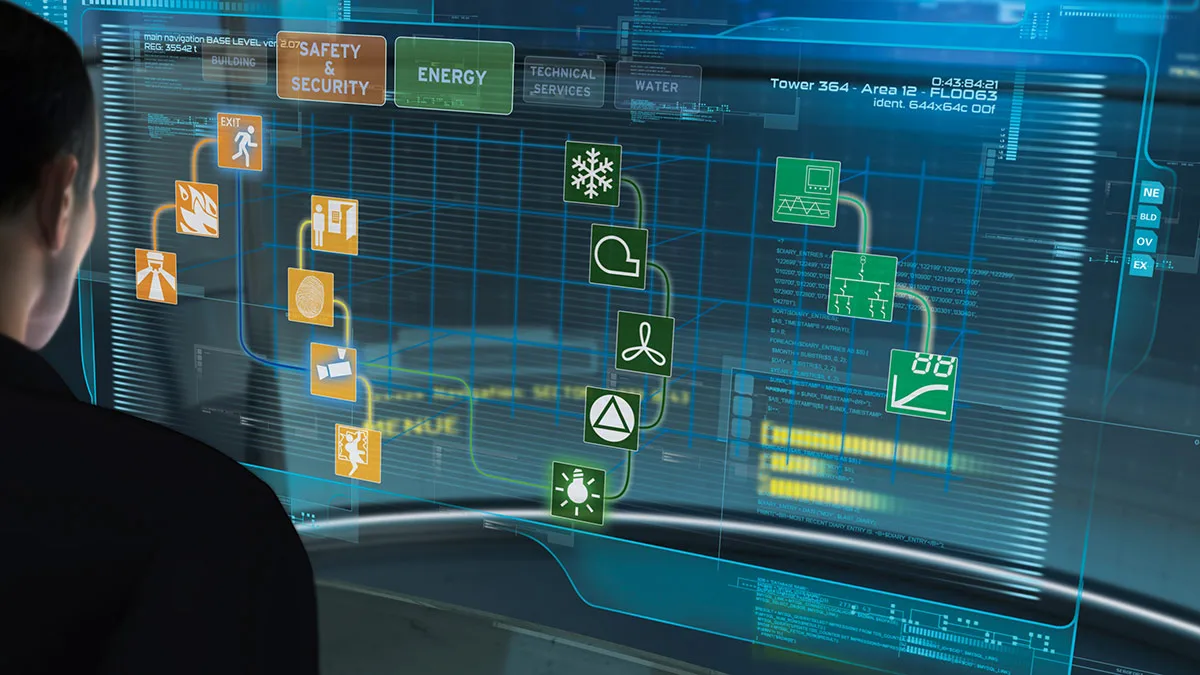
Given these potential threats, many US Army, Navy, Air Force, Marines, and other military-related facilities already have partial microgrids in place based on multiple small diesel “spot generation” to serve local critical loads. What is new is that these installations are looking to develop, select, and invest in automated and predictive microgrid control and management systems that maximize the benefits provided by a microgrid and fulfill DoD requirements for reliability, security, and sustainability.
As one of the operational expectations of DoD microgrids, microgrid control and management systems must include a “do not harm” approach, meaning the microgrid control system must be capable of integrating existing assets and not adversely affect day-to-day operations. An advanced solution should include open interfaces to support unlimited migration and uninterrupted maintenance through easy plug and play functionality.

For example, a microgrid control and management system should autonomously detect blackouts and automatically repower the microgrid and re-synchronize to the distribution grid. A microgrid control system should also maintain voltage and frequency to ensure network stability and automatically start backup generators to protect against under-voltages, short circuits and faults.
The ability to prioritize and manage contingencies is an important element of a resilient microgrid and is closely linked to the need to eliminate single points of failure within the system. As a high-profile target for both physical and cyberattacks, a DoD microgrid control and management system without a distributed control architecture can pose serious risks of cascading failures associated with an intrusion.
While meeting all of these requirements with one control system may seem difficult, several commercially available microgrid control and management systems satisfy all of these needs and have already demonstrated successful implementation and operation at US military installations around the world. In the future, microgrids will play a significant role in ensuring secure and sustainable energy for the DoD; however, having the right microgrid control and management system will be critical for the resiliency and reliability of these systems.
To find out more about Siemens Government Technologies’ comprehensive portfolio of microgrid management solutions, contact us today.
Contact Us